

When your telephone socket stops working properly, whether it's causing a crackly line, no dial tone at all, or affecting your broadband connection, understanding the genuine repair costs becomes essential. Many homeowners across the United Kingdom find themselves puzzled by the wide range of pricing they encounter when seeking professional help. This guide breaks down exactly what electricians charge for telephone socket repairs, helping you make an informed decision about whether to tackle the job yourself or call in a qualified professional.
Understanding common telephone socket faults and diagnostics
Identifying the Root Cause: From Loose Connections to Damaged Sockets
Before any repair work begins, identifying the specific problem with your telephone socket is crucial. Many faults stem from surprisingly simple issues that manifest in frustrating ways. A telephone cable that refuses to stay securely in the port might indicate wear on the plastic housing or damaged internal connectors. Similarly, a socket that feels wobbly when you touch it could simply need the mounting screws tightened, though in some cases the entire faceplate might have cracked and require replacement. Inside the socket itself, loose wire connections present another common culprit. These wires should connect firmly to their designated terminals, and even a slightly loose connection can cause intermittent faults or complete service loss. The coloured wires must match their corresponding terminals precisely, as incorrect wiring creates problems that can be difficult to diagnose later. Damaged plastic casings, corroded terminals, or wires that have come completely free from their connections all require attention. Understanding that a significant proportion of telephone faults occur within the home itself helps frame the diagnostic process. In fact, research shows that around eighty-nine percent of telephone faults originate from internal wiring rather than external line issues, meaning the problem is likely somewhere you can actually access and potentially fix.
When to Investigate Beyond the Socket: External Line Issues
Sometimes the fault lies not with your socket or internal wiring but further along the telephone infrastructure. After thoroughly checking the socket and confirming all wire connections are secure, persistent problems might indicate an external line fault. Your telephone service provider can run diagnostic tests to determine whether the issue stems from their equipment or the cables running to your property. This distinction matters significantly because it affects who bears responsibility for the repair. Service providers typically maintain ownership and responsibility for the telephone line up to the master socket, which marks the boundary point. Beyond that point, the wiring becomes your responsibility as the property owner. This arrangement means that internal wiring faults, socket replacements, and extension installations all fall under your remit. Understanding this division helps you avoid unnecessary charges and ensures you contact the right professional for the specific problem you're experiencing. If diagnostics confirm an external fault, your provider should address it without charging you. However, if an engineer visits and discovers the fault lies within your internal wiring, expect to face charges for that visit and any subsequent repair work.
Diy repairs vs professional help: weighing your options
Simple fixes you can handle yourself: tightening screws and securing wires
For those comfortable with basic DIY tasks, some telephone socket repairs fall within the realm of manageable home projects. Tightening loose mounting screws requires only a screwdriver and a few minutes of your time. If you notice the socket moving against the wall, this simple fix might restore proper function immediately. Replacing a damaged socket faceplate is also relatively straightforward, as these components are available at most DIY retailers for modest prices. When working inside the socket, always ensure the telephone line is disconnected first. Examine each wire connection carefully, noting which coloured wire connects to which terminal before you disturb anything. A small screwdriver allows you to secure any loose wires to their terminals, which might resolve connection issues without any parts replacement. If the plastic housing has cracked but the internal components remain sound, you can purchase a replacement socket and transfer the existing wiring. However, approach this work with caution and realistic assessment of your skills. Incorrect wiring can create problems that extend beyond just your telephone service, potentially affecting your broadband speed and overall connectivity. While these repairs might seem simple, they require attention to detail and a methodical approach to ensure proper reconnection of all components.
Why calling a qualified electrician makes financial sense
Despite the apparent simplicity of some repairs, engaging a qualified electrician often proves the more economical choice when considering the full picture. Professional electricians bring experience that helps them diagnose problems quickly and accurately, potentially identifying issues you might overlook. They carry the proper tools and replacement parts, eliminating the need for multiple trips to hardware shops. More importantly, they understand the broader electrical context and can spot related issues that might cause problems down the line. A botched DIY repair might seem to work initially but could create intermittent faults that prove maddeningly difficult to diagnose later. The cost of correcting a failed DIY attempt often exceeds what the original professional repair would have cost. Additionally, qualified electricians carry insurance that protects you if something goes wrong during the repair, providing peace of mind that DIY work cannot match. For anyone who feels uncertain about electrical work, even at the low voltage levels found in telephone systems, professional help eliminates stress and ensures the job is completed correctly the first time. The modest investment in professional service often proves worthwhile when weighed against the potential complications of an incorrect repair.
What electricians actually charge for telephone socket repairs
Typical Labour Costs and Call-Out Fees Across the UK
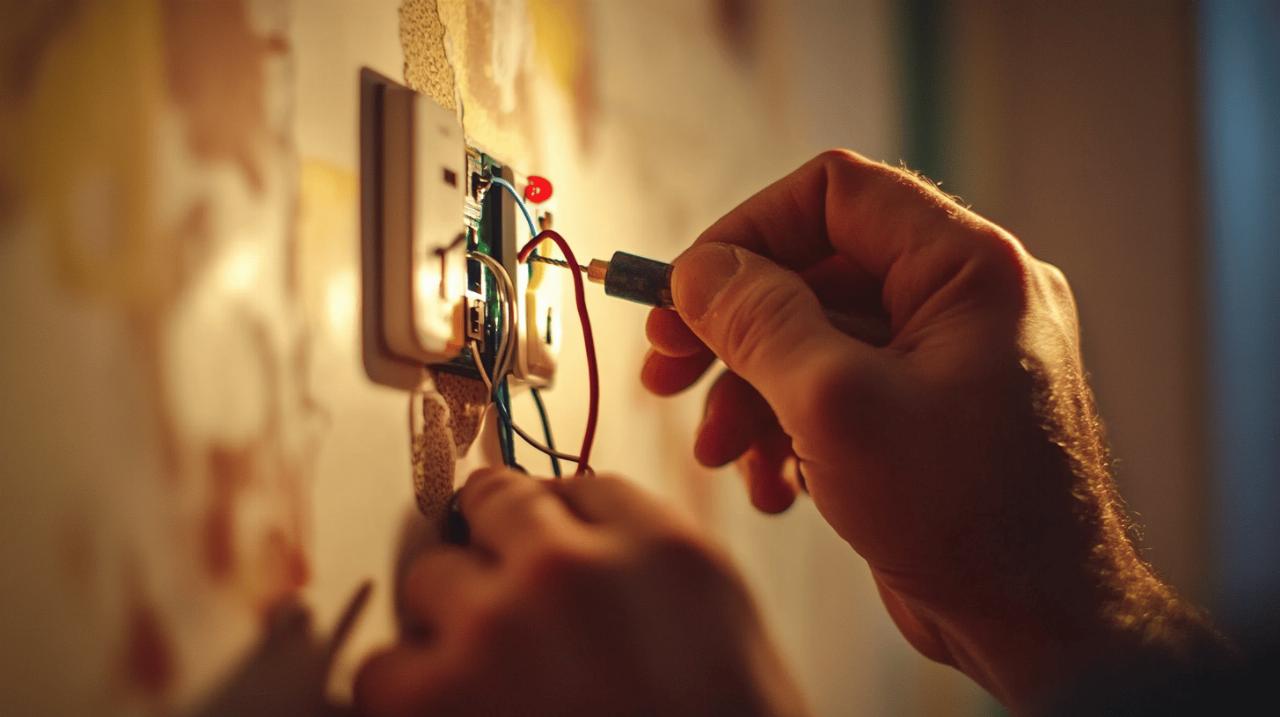 Understanding the pricing structure for electrical work helps you budget appropriately and assess whether quotes you receive fall within reasonable ranges. Electricians across the United Kingdom typically charge between forty and sixty pounds per hour, with this rate usually covering both the call-out fee and the first hour of work. This means that even a quick job attracts a minimum charge of around eighty pounds, which represents double the hourly rate and covers the electrician's travel time and basic assessment. The average day rate for electricians ranges from approximately two hundred to two hundred and fifty pounds, though this varies significantly based on location and the tradesperson's experience level. Those working in London and the south-east of England can expect prices roughly twenty percent higher than the national average, reflecting the increased cost of living and operating a business in these regions. Emergency call-outs attract premium pricing, typically charging between two and four times the standard hourly rate, which can push costs to one hundred and twenty-five pounds or more depending on the urgency and timing. For a straightforward telephone socket repair that takes less than an hour, you might pay between eighty and one hundred and fifty pounds including the call-out fee, assuming no complicated fault-finding is required. More complex issues requiring extensive diagnostics could push costs higher, particularly if the problem involves tracing faults through multiple connection points or dealing with damaged internal wiring.
Material costs: socket replacements and additional components
Beyond labour charges, material costs form the second component of your total bill, though these typically represent a smaller portion of the overall expense. A standard telephone socket costs only a few pounds at retail, meaning the electrician's markup on this component remains modest. However, if repairs require additional materials such as new wiring, mounting boxes, or specialised components, these costs accumulate. Socket installation work that involves running new cables or creating additional connection points naturally costs more due to increased material requirements and labour time. When obtaining quotes, clarify whether the price includes VAT, as this adds twenty percent to the final bill and catches many homeowners by surprise if not discussed upfront. Some electricians provide fixed-price quotes for common jobs like socket repairs, which offers certainty and prevents unpleasant surprises when the bill arrives. When comparing quotes from different electricians, ensure you're making like-for-like comparisons by confirming what each quote includes. Does it cover all materials, or just labour? Is VAT included or added separately? Will there be additional charges if the fault proves more complex than initially assessed? Getting these details in writing before work commences protects both parties and ensures transparent pricing. For a complete socket replacement including labour and materials but excluding VAT, expect costs in the range of eighty to one hundred and fifty pounds for a straightforward job without complications.
Getting the Best Value: Tips for Hiring an Electrician
Questions to Ask Before Booking a Repair Visit
Approaching the hiring process strategically helps you secure quality service at fair prices while avoiding potential pitfalls. Start by requesting a fixed-price quote over the telephone if possible, with confirmation that this price will not increase when the electrician arrives unless they discover additional problems beyond the initial description. Ask explicitly about the visit charge or call-out fee, as this varies significantly between electricians and can substantially affect your total cost. Clarify the hourly rate that applies if work extends beyond the initial assessment period, and confirm whether this rate includes VAT or whether tax will be added to the final bill. Enquire about the cost of common replacement parts like sockets and any additional components that might be needed. Establish whether the electrician charges for fault-finding time separately, as diagnosing elusive problems can sometimes take longer than the actual repair. Request information about their qualifications and insurance coverage, ensuring they carry appropriate liability insurance that protects you if problems arise. Ask whether they offer any guarantee on their work, as reputable electricians typically warrant their repairs for a specified period. Finally, request references or check online reviews to gauge their reputation and reliability. An electrician with many returning customers demonstrates quality service, and statistics suggest that around sixty-four percent of electrical work comes from repeat clients, indicating customer satisfaction.
Ensuring proper qualifications and avoiding costly mistakes
Verifying an electrician's credentials protects you from both substandard work and potential legal complications. While telephone socket repairs involve low voltage work that doesn't require the same stringent qualifications as mains electrical work, employing someone with proper electrical training ensures they understand the broader context and can spot related issues. Check that they hold relevant qualifications and consider whether they're registered with professional bodies that maintain standards within the industry. Avoid the temptation to hire unlicensed or uninsured individuals simply because they offer lower rates, as the potential costs of correcting poor work or dealing with damage far exceed any initial savings. When an electrician provides a quote, get it in writing with clear breakdowns of labour and materials costs. This documentation proves invaluable if disputes arise later about pricing or the scope of work completed. Before they begin work, confirm that they will test the repair to ensure proper function and that your telephone service and broadband connection are working correctly afterwards. Remember that while comparing quotes makes sense, the cheapest option rarely proves the best value. An experienced electrician might charge moderately more but complete the work more quickly and reliably, ultimately providing better value than a cheaper competitor who takes longer or makes mistakes requiring correction. Building a relationship with a reliable electrician serves you well for future needs, and many offer preferential rates to returning customers, creating long-term value beyond the immediate repair.
À propos de l'auteur