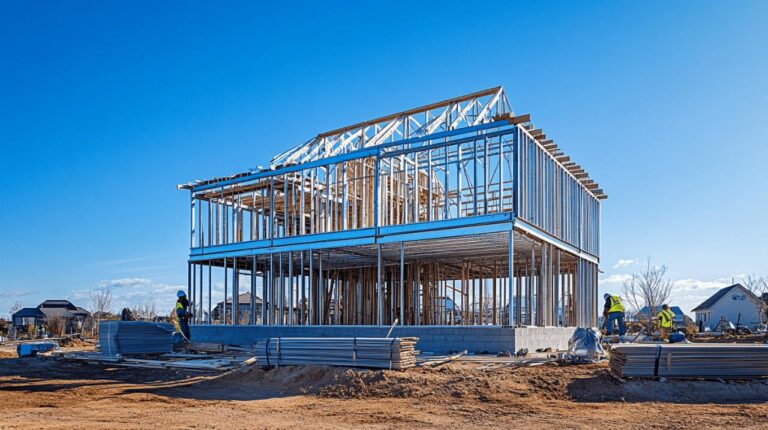
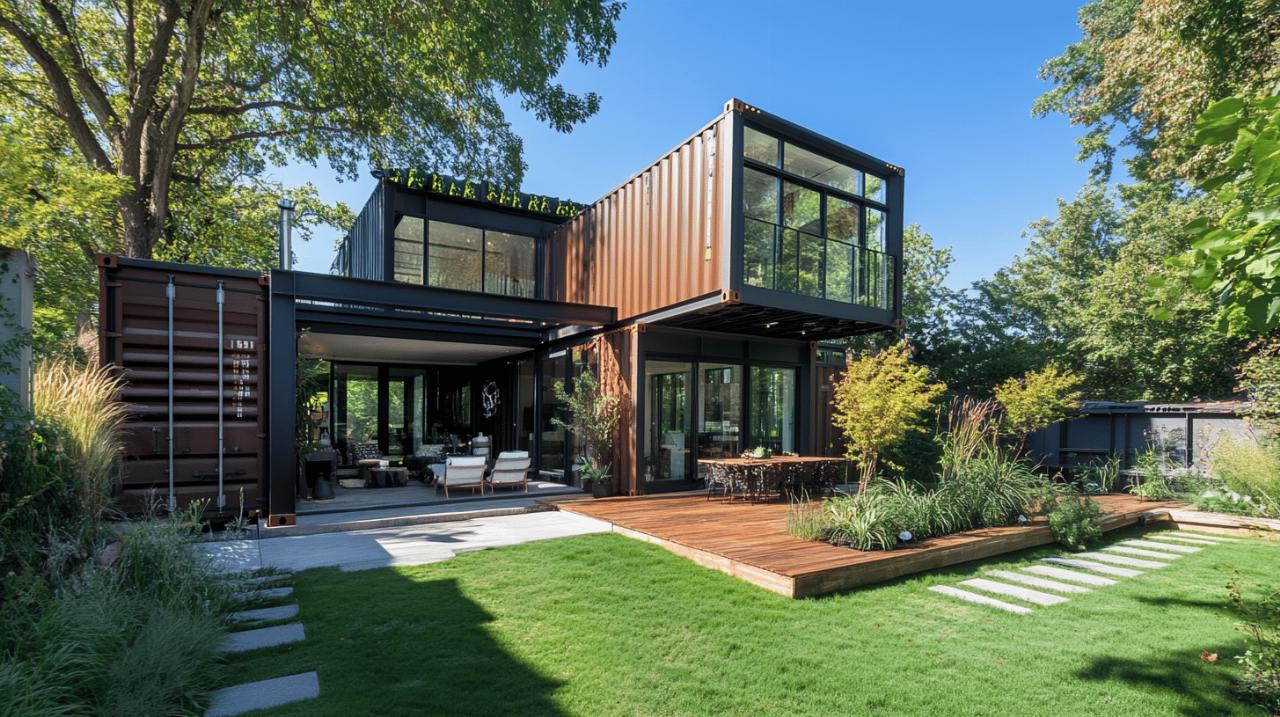
The concept of extending your home has taken on a fresh dimension with the rise of container extensions, a solution that is proving increasingly attractive to homeowners across the country. Rather than embarking on a lengthy and often disruptive traditional build, more and more people are turning to the robust and versatile shipping container as the foundation for their extra space. This approach offers a blend of practicality, affordability, and a certain industrial charm that can be tailored to suit a wide range of tastes and requirements. Whether you are seeking a new home office, a guest suite, or simply additional storage, the shipping container extension presents a compelling alternative to conventional methods of enlargement.
Understanding container extensions: a modern approach to home enlargement
What Exactly is a Container Extension?
A container extension involves using one or more shipping containers, typically those designed for transporting goods across the globe, to create additional living or working space adjacent to your existing property. These structures are not merely makeshift additions; when properly modified and finished, they can become seamless and attractive extensions that complement the original building. The containers themselves are available in various sizes, with the standard twenty-foot and forty-foot options being the most commonly used for residential projects. For those requiring greater internal height, high cube containers offer an approximate additional two feet, making the space feel considerably more generous and suitable for a wider range of uses. The beauty of this method lies in the fact that much of the construction can be completed off-site, with the container arriving at your property already modified to a significant degree, thus minimising the disruption to your daily life and reducing the overall construction timeline considerably compared to a traditional brick-and-mortar extension.
Why Shipping Containers are Gaining Popularity for Home Extensions
The growing popularity of shipping containers for home extensions is driven by several compelling factors that resonate with modern homeowners. Firstly, there is the undeniable appeal of sustainability; repurposing a container that has already served its primary function is an environmentally conscious choice that appeals to those seeking to reduce their carbon footprint. Beyond the green credentials, the inherent structural strength of these containers, which are designed to withstand the rigours of international shipping and be stacked several layers high, provides a solid and durable foundation for a habitable space. This robustness translates into a building that can stand the test of time and weather. Furthermore, the speed of installation is a significant advantage, as the container can be delivered and positioned in a matter of days, with the main shell already in place. This contrasts sharply with the often lengthy timescales associated with traditional building projects, where weather delays and the availability of tradespeople can cause significant setbacks. The flexibility in design is another key draw, as containers can be modified extensively, with windows, doors, and even entire walls being cut out to create the desired layout and aesthetic. This adaptability allows homeowners to truly personalise their extension and create a space that reflects their individual style and needs, whether that be a sleek, modern studio or a cosy, wood-clad retreat.
Breaking Down the Costs: What to Budget for Your Container Extension
The Price of the Container Itself and Basic Structure
When considering the financial implications of a container extension, it is essential to understand that the cost is not simply the price of the container itself, although that is naturally the starting point. The acquisition of the container, whether new, used, or refurbished, will form the base of your budget. New containers will command a higher price due to their pristine condition, while used containers offer a more economical entry point, though they may require more extensive cleaning and potentially some repairs. Refurbished containers sit somewhere in the middle, offering a balance between cost and condition. Beyond the initial purchase, you must also factor in the cost of delivery and positioning the container on your property, which can vary depending on your location and the accessibility of your site. The foundational work required to support the weight of the container is another crucial expense that should not be overlooked. This might involve laying a concrete slab or constructing a series of concrete pads, and the extent of this work will depend on the size and weight of your container as well as the nature of your existing ground conditions. For a basic, do-it-yourself project where the homeowner undertakes much of the modification and fitting work themselves, costs can start from around seven thousand to eleven thousand pounds. This would typically involve sourcing a used container and carrying out relatively simple modifications.
Additional expenses: insulation, modifications and interior finishes
However, for a more comfortable and liveable space, particularly one that is used year-round, the additional expenses quickly mount. Insulation is paramount to ensure the extension is thermally efficient and habitable in all seasons, as uninsulated containers can become unbearably hot in summer and freezing cold in winter. The type and quality of insulation you choose will significantly impact both the cost and the comfort level of the finished space. Modifications such as cutting openings for windows and doors, installing electrical wiring and plumbing, and integrating the container seamlessly with your existing house all add to the overall expenditure. If you are opting for a professional installation, the costs rise considerably, with a basic twenty-foot container extension typically falling within the fourteen thousand to twenty-one thousand pound bracket. A more substantial forty-foot extension with mid-range finishes can cost between twenty-one thousand and thirty-five thousand pounds. At the high end of the market, where bespoke designs, premium materials, and extensive interior finishes are employed, costs can exceed thirty-five thousand pounds. The choice of exterior cladding, such as wood cladding, can soften the industrial appearance of the container and add a touch of warmth and character, but this too comes at a price. Similarly, the quality of the interior finishes, from flooring and wall coverings to fixtures and fittings, will all contribute to the final bill. It is therefore vital to establish a clear budget at the outset and to understand that the initial price of the container is merely the starting point of your financial journey.
Planning Permission and Legal Requirements for Container Extensions
Navigating council regulations and authorisation processes
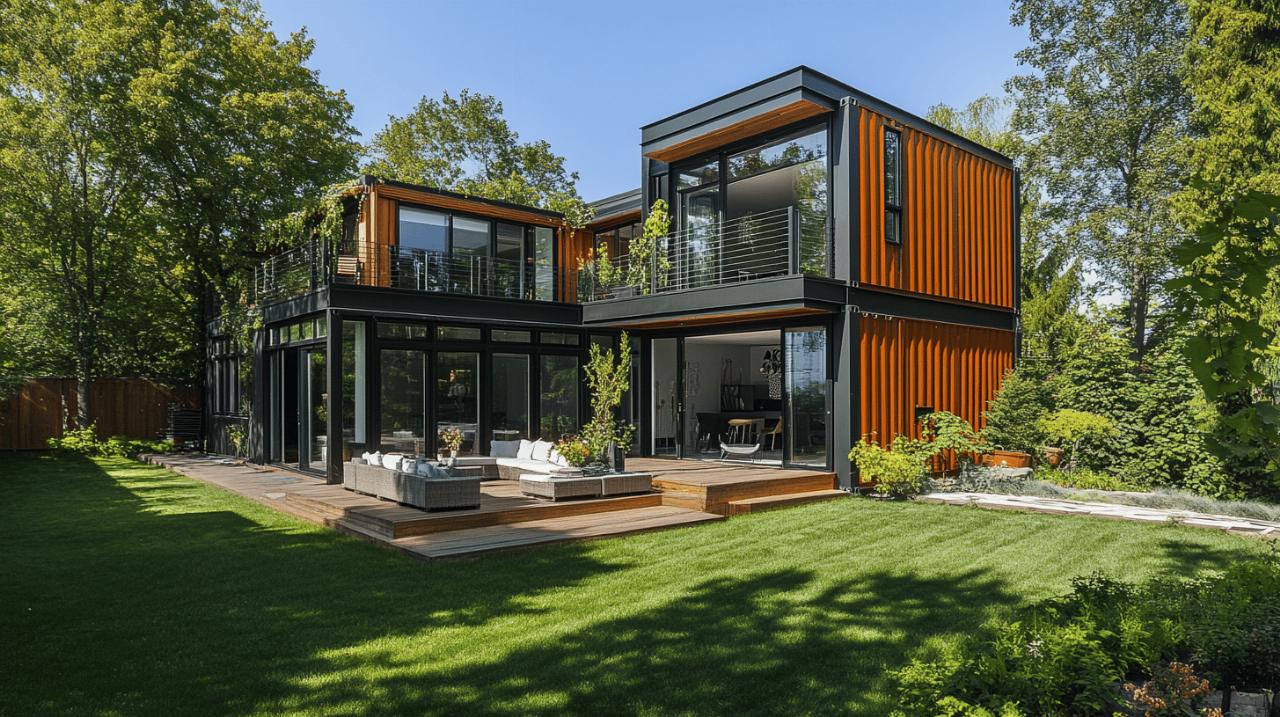 Before you get too carried away with the exciting prospect of designing your new container extension, it is absolutely crucial to address the often less glamorous but undeniably vital matter of planning permission and legal requirements. The regulatory landscape surrounding home extensions, including those built from shipping containers, can be complex and varies significantly depending on your location and the specifics of your project. In the United Kingdom, you will almost certainly need to engage with your local council to determine whether your proposed extension falls under permitted development rights or whether you require full planning permission. Permitted development allows certain types of building work to be carried out without the need for a formal planning application, subject to specific limitations and conditions. However, container extensions, due to their nature and appearance, may not always qualify for permitted development, particularly if they are visible from the street or if they exceed certain size restrictions. It is therefore essential to conduct thorough research or, better still, to consult with a planning professional who can guide you through the process. You will likely need to submit a detailed plan of your proposed extension, including drawings and specifications, to the council for their review and approval. This plan should clearly show the dimensions, materials, and positioning of the container relative to your existing property and the boundaries of your land. Obtaining the necessary authorisation from your local council before commencing any work is not merely a bureaucratic formality; it is a legal requirement, and failure to comply can result in enforcement action, including the requirement to remove the extension.
Environmental declarations and urbanism compliance
In addition to planning permission, you may also need to make environmental declarations and demonstrate that your extension complies with relevant urbanism regulations. These regulations are designed to ensure that new developments do not have an adverse impact on the local environment or the amenity of neighbouring properties. Your local council will be able to advise you on the specific declarations required in your area, which may relate to matters such as drainage, waste disposal, and the impact on local ecology. It is also important to consider the Building Regulations, which are separate from planning permission and relate to the structural integrity, safety, and energy efficiency of the building. Any extension, including a container extension, must comply with the Building Regulations, and you will need to obtain Building Control approval before the work is deemed complete. This typically involves submitting detailed plans and specifications to Building Control and having the work inspected at various stages during the construction process. The requirements can seem daunting, but taking the time to understand and comply with all the necessary regulations at the outset will save you considerable time, expense, and potential heartache further down the line. A prealable step is to visit your council to discuss your project and to obtain guidance on the specific requirements that apply to your situation. This proactive approach will help to ensure that your project proceeds smoothly and that your finished extension is both legal and compliant.
The Benefits of Choosing a Container Extension for Your Property
Cost-Effectiveness and Speed of Construction
One of the most compelling reasons to opt for a container extension is the potential for significant cost savings compared to a traditional brick-and-mortar build. While the final cost will vary depending on the size, complexity, and finish of your project, the basic structure of a shipping container is generally more affordable than purchasing the equivalent volume of building materials and paying for the labour to construct a conventional extension. The speed of construction is another major advantage, as much of the work can be completed off-site in a controlled environment. This means that the container can arrive at your property already modified to a considerable degree, with windows, doors, insulation, and even some internal finishes already in place. The time required on-site for positioning the container, connecting utilities, and completing the interior work is therefore significantly reduced compared to a traditional build, which can take many months or even years to complete. This speed of construction translates into less disruption to your daily life and a quicker return on your investment. The portable nature of container extensions is also worth noting, as they can potentially be relocated if you move house, although the practicalities and costs of doing so would need to be carefully considered. This portability adds a degree of flexibility that is not available with permanent brick-and-mortar structures.
Sustainability, design flexibility and structural robustness
The environmental benefits of choosing a container extension are considerable, as you are effectively repurposing a structure that has already served its primary function. By giving a shipping container a second life as a habitable space, you are reducing the demand for new building materials and minimising the waste associated with demolition and construction. This makes container extensions a genuinely sustainable choice for environmentally conscious homeowners. The design flexibility offered by shipping containers is another significant advantage, as they can be modified and customised to suit a wide range of uses and aesthetics. Whether you are seeking a sleek, modern studio, a cosy garden room, or a practical home office, a container can be adapted to meet your needs. The ability to cut out walls, add windows and doors, and incorporate different cladding materials means that the final design is limited only by your imagination and your budget. Furthermore, the structural robustness of shipping containers, which are designed to withstand the harsh conditions of international shipping and to be stacked several layers high, provides a solid and durable foundation for a long-lasting extension. These containers are built to resist corrosion, impact, and extreme weather conditions, making them an exceptionally resilient building material. This inherent strength and durability mean that a well-maintained container extension can provide many years of reliable service, offering excellent value for money. The combination of cost-effectiveness, speed of construction, sustainability, design flexibility, and structural robustness makes container extensions an increasingly attractive option for homeowners seeking a modern and practical way to enlarge their property.
À propos de l'auteur