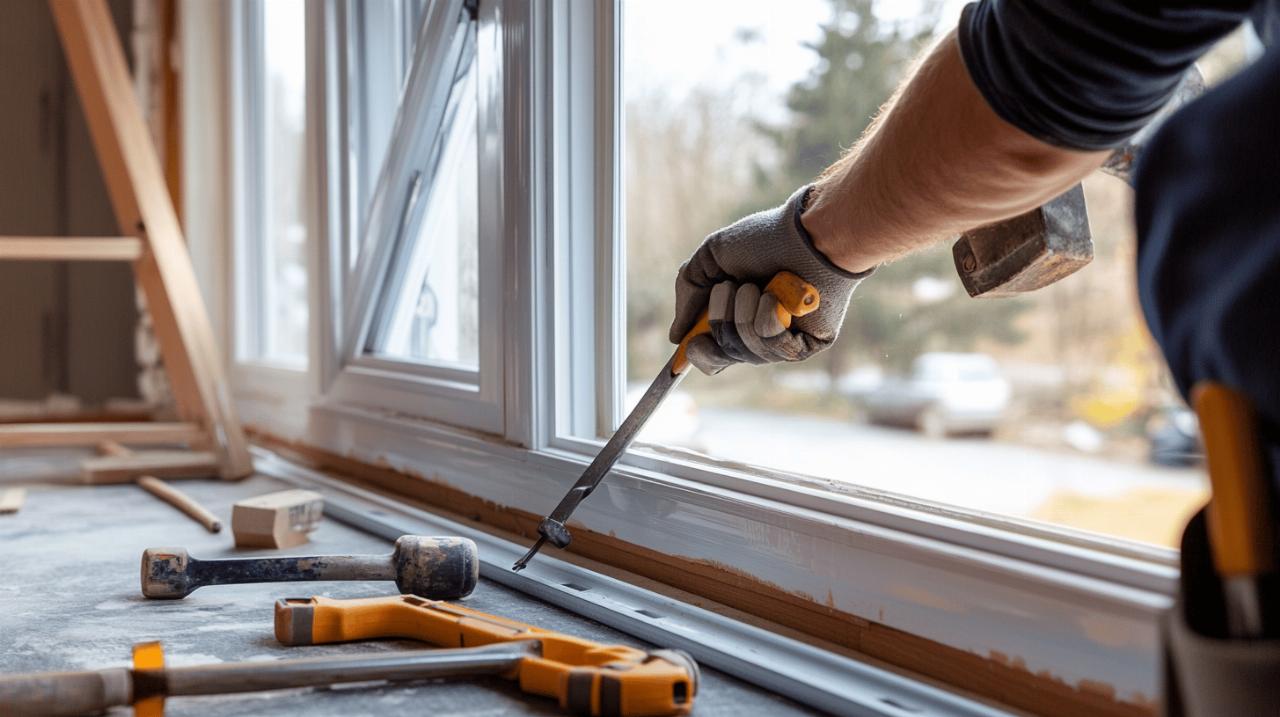
Transforming a basement into a functional and welcoming space often begins with addressing one of its most critical yet frequently overlooked features: the windows. Whether you're dealing with draughty old frames, poor insulation, or simply seeking to enhance natural light, replacing basement windows can significantly improve your home's comfort, security, and energy efficiency. In London, where property values and energy costs are high, ensuring that your window replacement project complies with current building regulations is not just advisable but legally required. This guide walks you through everything you need to know about replacing basement windows in London, from understanding the necessary regulations to selecting the right materials and finding qualified installers.
Understanding london building regulations for basement window replacement
In England, the Building Regulations 2010 have mandated strict standards for window replacements since April 2002. These regulations are designed to ensure that any work carried out on your property meets essential criteria for safety, energy efficiency, and proper ventilation. When you replace windows in your basement, you must comply with several Approved Documents that cover different aspects of construction and safety. Approved Document A focuses on structural stability, ensuring that the window installation does not compromise the integrity of your property. Approved Document B addresses fire safety, including the provision of adequate escape routes. For habitable rooms, windows must have an openable area of at least 0.33 square metres, with a minimum height or width of 450 millimetres, and the bottom of the opening should be no more than 1100 millimetres above the floor to facilitate emergency escape.
Approved Document F covers ventilation requirements, which are particularly important in below-ground spaces where moisture and mould can accumulate. Adequate ventilation can be achieved through background ventilators, trickle vents, or openable windows. Approved Document K is concerned with safety glazing, mandating the use of safety glass in critical areas such as panels near the floor or in doors to prevent injuries from falls or collisions. Finally, Approved Document L is perhaps the most crucial for energy efficiency, setting a U-value limit of 1.4 watts per square metre Kelvin for replacement windows and 1.2 watts per square metre Kelvin for new installations. A low U-value indicates better insulation and reduced heat loss, which directly translates to lower heating bills and a more comfortable living environment.
Navigating planning permission and permitted development rights
While many window replacement projects fall under permitted development rights, meaning they do not require formal planning permission, there are important exceptions. If your property is a listed building or located within a conservation area, you may need to seek approval from your local planning authority before making any changes to the windows. This is because such properties are protected due to their historical or architectural significance, and alterations must be carefully managed to preserve their character. Even in standard residential properties, restrictions may apply depending on the specific conditions of your home or the nature of the work being carried out. It is always wise to check with your local council or consult a qualified professional to determine whether planning permission is necessary for your basement window replacement project.
Compliance with Part L Building Regulations for Energy Efficiency
Energy efficiency is at the heart of modern building regulations, and Approved Document L sets stringent standards to reduce heat loss and lower energy consumption. For replacement windows, the maximum permitted U-value is 1.4 watts per square metre Kelvin, although many homeowners opt for windows with even better performance to maximise energy savings. In addition to U-value requirements, windows must achieve a Window Energy Rating of B or better, which takes into account factors such as thermal transmittance, solar gain, and air leakage. By choosing windows that exceed these minimum standards, you can significantly reduce your home's carbon footprint and contribute to broader efforts to combat greenhouse gas emissions. Proper insulation around the window frame is equally important, as even the most efficient glazing can underperform if gaps and draughts are not adequately sealed. Ensuring compliance with Part L not only keeps you on the right side of the law but also delivers tangible benefits in terms of comfort and cost savings.
Selecting the Perfect Basement Windows for Your London Property
Choosing the right windows for your basement involves balancing aesthetics, functionality, and performance. The material of the window frame is one of the first decisions you will need to make, and each option has its own advantages and considerations. PVC windows are a popular choice for basement installations due to their durability, low maintenance requirements, and excellent insulation properties. They are also relatively cost-effective compared to other materials, making them an attractive option for homeowners working within a budget. PVC frames are available in a variety of styles and finishes, allowing you to achieve the look you want without compromising on performance.
Timber windows, on the other hand, offer a classic and elegant appearance that can enhance the character of older properties. They provide good insulation and can be painted or stained to match your home's aesthetic. However, timber requires more maintenance than PVC, as it needs regular treatment to protect against moisture, rot, and insect damage. This is particularly important in basement environments, where exposure to damp conditions is more common. Aluminium windows are another option worth considering, especially if you prioritise slim sightlines and a contemporary look. Aluminium frames are strong, lightweight, and highly resistant to corrosion, making them suitable for below-ground applications. While they were once associated with poor thermal performance, modern aluminium windows incorporate thermal breaks and advanced glazing technologies that rival the insulation capabilities of PVC and timber.
Comparing pvc, timber, and aluminium window materials
When evaluating window materials, it is essential to consider not only the upfront cost but also the long-term performance and maintenance requirements. PVC windows are highly resistant to weathering and do not require painting or sealing, making them a low-maintenance choice that can last for decades with minimal care. Timber windows, while more labour-intensive to maintain, can be an excellent investment for properties where preserving traditional aesthetics is a priority. If you choose timber, ensure that the wood is sourced from sustainable forests and has been treated with appropriate preservatives to resist moisture and decay. Aluminium windows offer unparalleled strength and slim profiles, which can maximise the amount of natural light entering your basement. They are also fully recyclable, making them an environmentally friendly choice. However, aluminium frames can be more expensive than PVC, so it is important to weigh the benefits against your budget and design preferences.
Maximising Natural Light and Ventilation in Below-Ground Spaces
Basement spaces are often characterised by limited natural light and poor ventilation, which can make them feel dark, damp, and unwelcoming. Replacing your windows provides an opportunity to address these issues and create a brighter, more comfortable environment. When selecting replacement windows, consider the size and style of the openings to maximise the amount of daylight that can enter the room. Larger windows or those with minimal framing can significantly enhance the sense of space and openness. If your basement is deep below ground level, you might also explore the possibility of installing window wells or light wells, which can channel more light into the space while providing a safe and accessible point of ventilation.
Ventilation is particularly important in basements, where stagnant air and high humidity can lead to condensation, mould growth, and unpleasant odours. Modern windows are designed with ventilation in mind, incorporating features such as trickle vents or background ventilators that allow a constant flow of fresh air without creating draughts. Openable windows are also essential for providing purge ventilation, which allows you to quickly expel stale air and introduce fresh air when needed. Ensuring that your replacement windows meet the ventilation requirements set out in Approved Document F will help you maintain a healthy indoor environment and prevent moisture-related problems.
Professional installation and proper sealing techniques
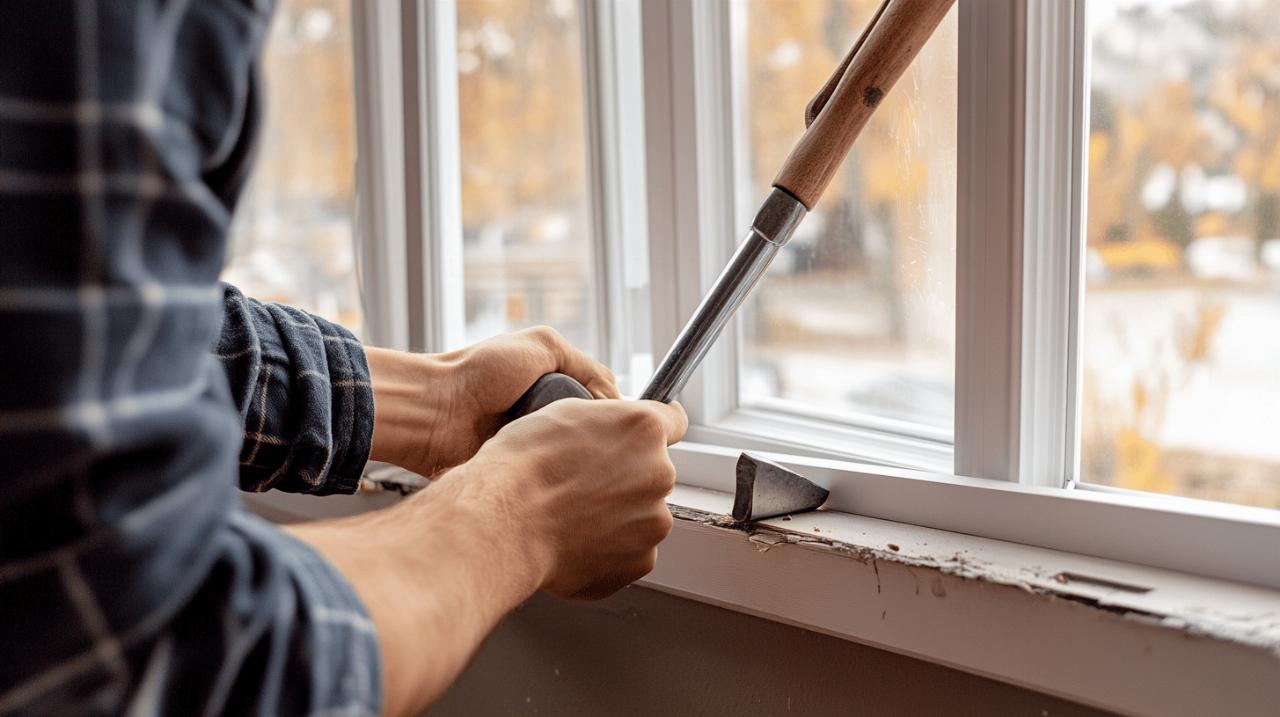 Even the highest-quality windows will underperform if they are not installed correctly. Professional installation is essential to ensure that your new basement windows are securely fitted, properly sealed, and fully compliant with building regulations. In the UK, the most straightforward way to achieve compliance is to hire an installer who is registered with a Competent Person Scheme such as FENSA, CERTASS, or one that carries the BSI Kitemark or Assure accreditation. These schemes are government-approved and authorised to self-certify that the work meets all relevant building regulations. Once the installation is complete, your installer will provide you with a compliance certificate, which serves as proof that the work has been carried out to the required standards. This certificate is not only a legal requirement but also essential for protecting your warranty and ensuring a smooth transaction if you decide to sell your property in the future.
Finding qualified fensa-registered installers in london
Locating a reputable and qualified installer in London can seem daunting, but there are several resources available to help you make an informed choice. FENSA is one of the most well-known and widely recognised Competent Person Schemes for window and door installation. The organisation maintains a register of approved installers who have been assessed for their technical competence, quality of workmanship, and adherence to building regulations. By choosing a FENSA-registered installer, you can be confident that your window replacement project will be completed to a high standard and that you will receive the necessary compliance certificate without the need for separate council approval. In addition to FENSA, other schemes such as CERTASS offer similar assurances, so it is worth exploring your options and comparing quotes from multiple installers.
When evaluating potential installers, ask for references and examples of previous work, particularly projects involving basement windows or below-ground installations. A reputable installer should be happy to provide this information and to discuss their approach to damp-proofing, sealing, and insulation. It is also advisable to check online reviews and ratings, as these can offer valuable insights into the experiences of other homeowners. Ayrton Bespoke, for example, are London-based window and door specialists with over 20 years of experience, offering guarantees on their work and a proven track record in the industry. Contacting established firms such as these can give you peace of mind that your project is in capable hands.
Ensuring proper damp-proofing and drainage around basement windows
Basements are inherently more vulnerable to damp and water ingress than above-ground spaces, so it is crucial to pay close attention to damp-proofing and drainage when replacing basement windows. Before the new windows are installed, your installer should assess the condition of the surrounding walls and check for any signs of moisture penetration or structural damage. If issues are identified, these must be addressed before proceeding with the installation to prevent future problems. Proper sealing around the window frame is essential to prevent water from seeping into the cavity and causing rot, mould, or damage to the interior finishes.
In addition to sealing the window itself, it is important to ensure that the external area around the window is properly drained. This may involve installing or improving drainage systems such as French drains or gullies to channel water away from the foundation. If your basement windows are below ground level, consider the use of window wells with gravel or drainage channels to prevent water from pooling against the glass. These measures, combined with high-quality sealing materials and careful installation, will help to protect your basement from damp and ensure that your new windows perform as intended for many years to come.
Cost Considerations and Long-Term Benefits of Basement Window Replacement
The cost of replacing basement windows in London can vary widely depending on factors such as the size and number of windows, the materials chosen, the complexity of the installation, and whether any additional work such as damp-proofing or drainage improvements is required. On average, homeowners can expect to pay anywhere from a few hundred pounds per window for a straightforward PVC replacement to several thousand pounds for bespoke timber or aluminium installations in challenging locations. It is important to obtain detailed quotes from multiple installers and to ensure that these quotes include not only the cost of the windows and labour but also any necessary preparatory work, sealing, and certification fees. While it may be tempting to opt for the cheapest quote, investing in quality materials and professional installation will pay dividends in terms of performance, durability, and compliance with building regulations.
Budgeting for Your Window Replacement Project in London
When planning your budget, consider the full scope of the project and any potential hidden costs that may arise. If your basement windows are in poor condition or if the surrounding masonry is damaged, you may need to factor in additional expenses for repairs or structural work. Similarly, if your property is listed or located in a conservation area, obtaining the necessary planning permissions may involve fees and potentially the cost of hiring a specialist consultant. It is also worth thinking about the long-term value of your investment. While high-performance windows with advanced glazing technologies may cost more upfront, they can deliver significant savings on heating bills over time and enhance the overall value of your property.
Calculating energy savings and property value improvements
One of the most compelling reasons to replace your basement windows is the potential for substantial energy savings. Older windows, particularly those with single glazing or poorly fitting frames, are notorious for allowing heat to escape, leading to higher energy consumption and increased heating costs. By upgrading to modern double or even triple glazing with low U-values, you can dramatically reduce heat loss and create a more comfortable living environment. Over time, these energy savings can add up, offsetting the initial cost of the replacement and contributing to a more sustainable household. In addition to the financial benefits, improving your home's energy efficiency can also reduce your carbon footprint and align with broader environmental goals.
Beyond energy savings, replacing your basement windows can have a positive impact on your property's market value. Prospective buyers are increasingly looking for homes that are energy efficient, well-maintained, and compliant with current building regulations. A basement with new, high-quality windows that meet all regulatory requirements will be seen as an attractive feature, potentially making your home more competitive in the London property market. Furthermore, the compliance certificate you receive from your installer provides reassurance to buyers that the work has been carried out to a professional standard, which can facilitate a smoother and faster sale. Whether you plan to stay in your home for years to come or are considering selling in the near future, the investment in new basement windows is one that can deliver both immediate and long-term rewards.
À propos de l'auteur